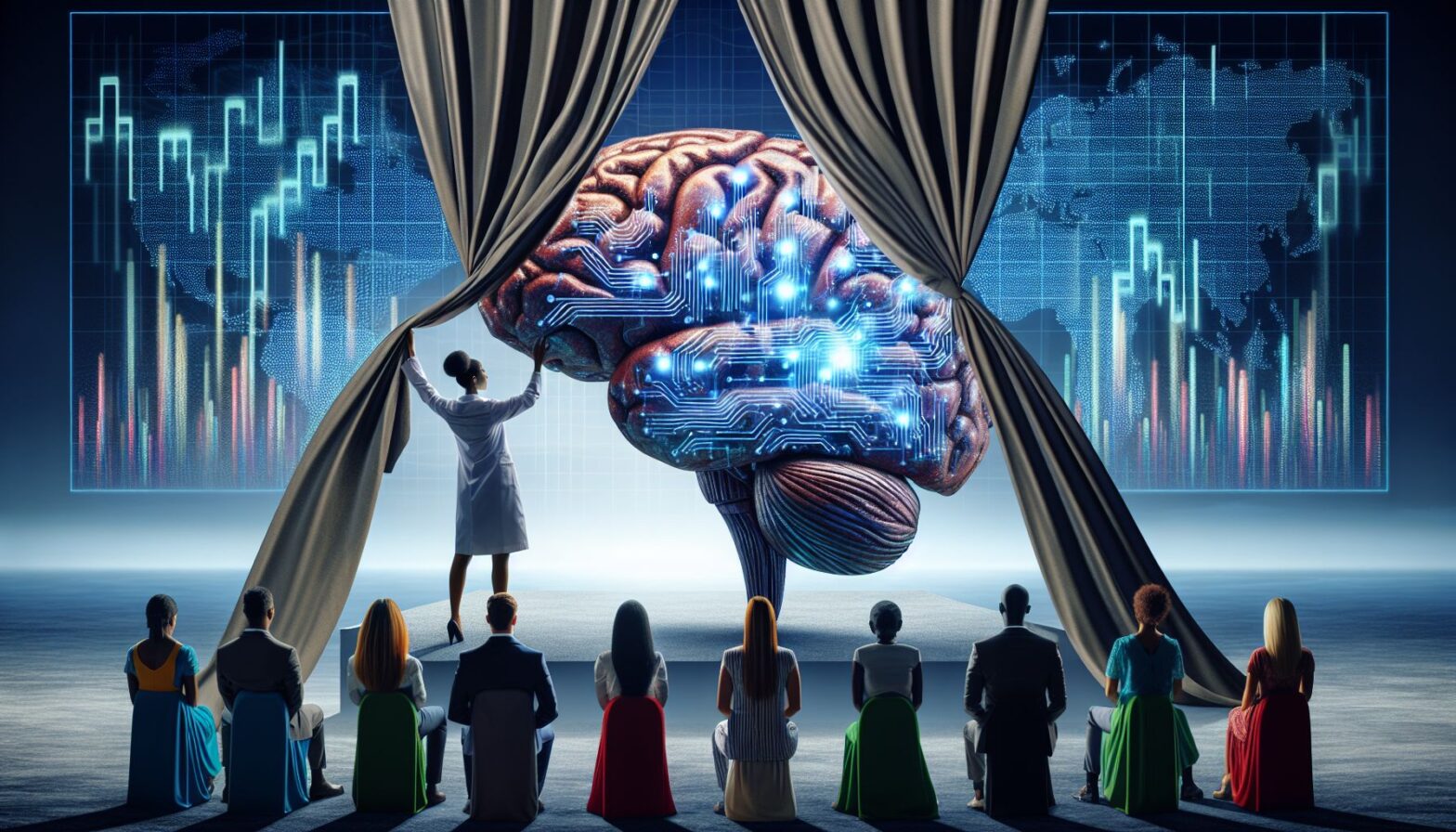
In a world increasingly reliant on data-driven decisions, it’s about time artificial intelligence (AI) steps into the realm of mental health. Over the last decade, AI has touched just about every industry, from finance to fashion, but the latest buzz is around AI’s real potential to improve mental health services. This could be where algorithms and empathy actually work together, though I’m cautiously optimistic about calling it a breakthrough just yet.
The Current Mental Health Crisis
Before getting into AI’s role, let’s establish why mental health needs a technological push. Mental health issues are a silent epidemic, affecting millions globally. With an estimated 450 million people suffering from mental health disorders worldwide, the demand for help far exceeds the supply of therapists and counselors. The strain on healthcare networks means long waiting periods and inadequate support. Many individuals feel like there’s no light at the end of the tunnel. In this situation, AI-driven mental health solutions make a lot of sense.
AI: The New Frontier for Mental Health Treatment
AI has always positioned itself as an ally of human problem-solving, and it offers several ways to reform mental health treatment. From personalized therapy to predictive analytics that identify risk factors for mental health disorders, AI is slowly turning the mental healthcare system upside down. And honestly, that might be exactly what we need. Let’s look at some of the ways AI is offering real solutions.
Chatbots: Your New Best Friends
Who doesn’t like talking things over to feel better? When therapists are unavailable, conversational AI chatbots step up to the plate. Tools like Woebot, Wysa, and Replika analyze user input and provide emotional support, coping strategies, and constructive suggestions.
These chatbots are built on cognitive-behavioral therapy principles and create an environment that encourages openness and understanding, all from the comfort of your smartphone. They’re by no means a replacement for conventional therapy, but they can be an essential bridge between sessions or even a stepping stone to professional help when necessary. The tricky part is constantly improving and understanding empathy. It’s definitely a work in progress.
AI and Diagnostics: An Update for the Medical Playbook
AI’s ability to sift through massive datasets and recognize patterns puts it front and center in diagnostics. Advanced algorithms analyze patient data, assess symptoms from wearables or digital interactions, and evaluate risk factors to predict mental health disorders such as depression, anxiety, and PTSD.
Imagine AI spotting subtle changes in your daily texting habits or the tone of your voice in communication apps, alerting you or a healthcare provider to potential mental health issues you might not recognize right away. This proactive approach means catching problems early and saving patients from prolonged suffering they didn’t even know was happening.
Tailored Therapeutic Interventions
No two minds are the same, so why should therapy be one-size-fits-all? AI carefully creates a detailed psychological profile to deliver therapeutic interventions tailored specifically to individual needs. This customization allows for more effective therapy sessions and makes sure time spent in therapy actually produces results.
Personalization extends to how AI predicts the best intervention methods, whether that’s cognitive behavioral therapy, mindfulness interventions, or medication management, all while measuring outcomes consistently to improve the patient-therapist experience.
Breaking Down Barriers of Access and Stigma
One of the most interesting aspects of AI in mental health care is its ability to break down the existing barriers of accessibility and stigma associated with mental illness. AI-powered technologies have democratized access to mental health services in ways we haven’t seen before, reducing geographical and financial constraints significantly.
Plus, by providing a platform that allows anonymity, AI helps people who feel uncomfortable in traditional settings to seek help, slowly chipping away at the deep-rooted stigma.
Challenges and Ethical Considerations
With great power comes great responsibility. As exciting as these developments are, implementing AI in the sensitive realm of mental health comes with its own set of challenges.
Privacy Concerns
We’ll have to keep our liberty-loving brains open and alert to how personal data is collected, used, and stored. This isn’t just about identifying patient issues but ensuring users’ sensitive information remains confidential.
Risk of Over-Reliance
A world where we over-rely on “emotionally smart” chatbots risks diminishing human interaction. While they offer support, they can’t replace the nuanced understanding and adaptability of human therapists.
Bias in Algorithms
AI algorithms are only as good as the data fed to them. Any bias in data input can lead to ineffective or biased therapeutic solutions. We need to develop AI systems that are inclusive and adapt to various backgrounds, cultural norms, and life experiences.
Wrapping Up the AI Mental Health Journey
AI-driven mental health tech isn’t just a passing trend. It’s lighting up hope for millions. As these algorithms continue to learn and evolve, they can genuinely partner with humans, bridging gaps our society has long struggled to fill. But let’s not forget that AI is our tool, not our master. As we move closer to these tech-heavy horizons, ethical guidelines need to shape these innovations to ensure they don’t stray from what truly matters: the human experience.
To our fellow tech-savvy readers, what do you think of AI’s expanding role in mental health? Can algorithms capture the “human touch,” or are they just assistants in our healing journey? Share your insights and let’s keep the conversation going. While AI is reshaping our world, it’s our collective input that determines where it goes.