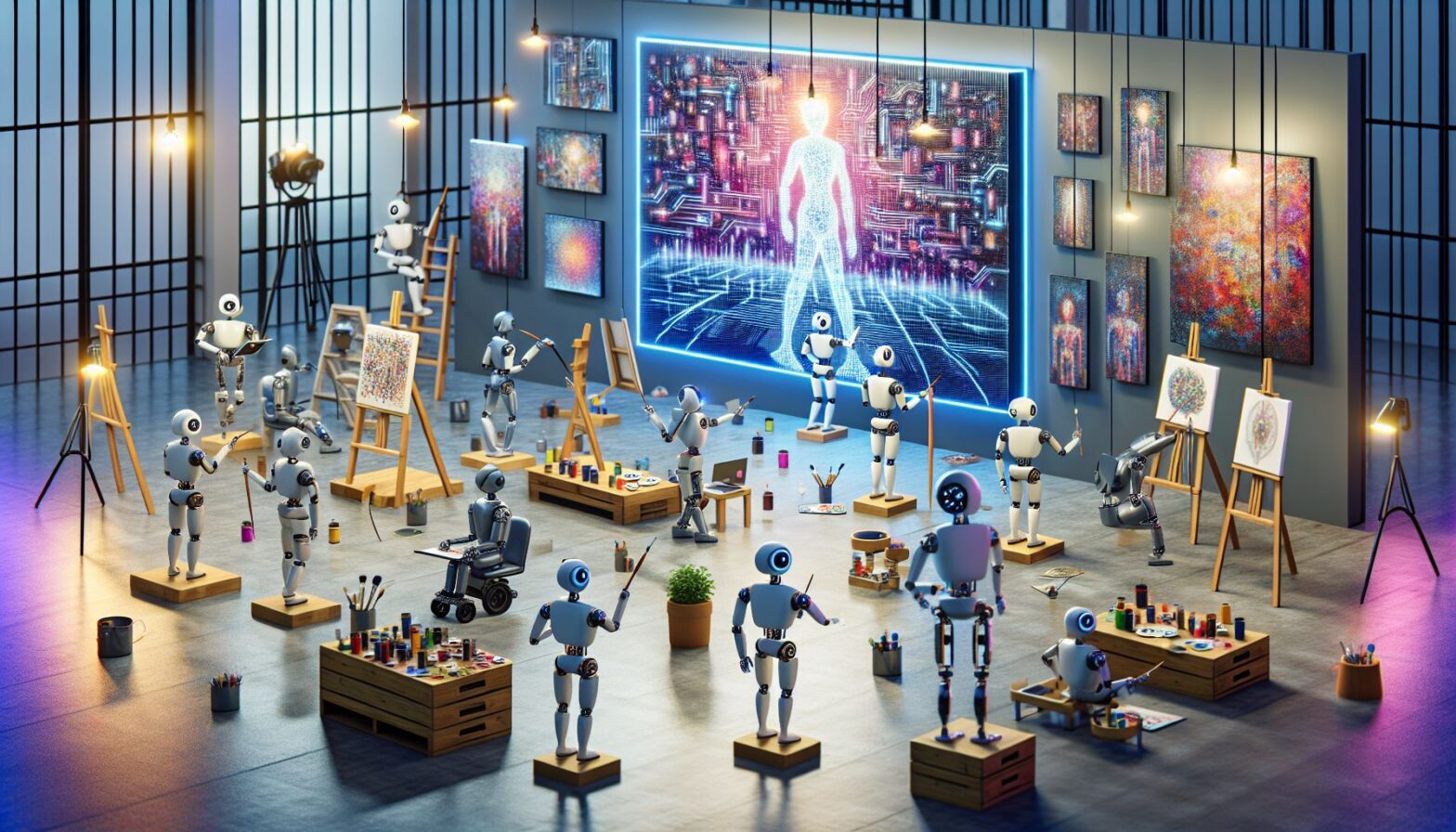
Welcome, fellow tech adventurers, to something I’ve been excited to write about for months. Today, we’re talking about AI in the creative arts. I know, I know—you might not think artists’ easels have much in common with server racks full of circuits, but stick with me here. This stuff is wild, and honestly, it’s happening faster than I expected.
A Brush with AI: Machines in the Art World
Remember when Photoshop felt like magic? Those days seem quaint now. I’m watching AI algorithms create artwork that’s selling for six-figure sums at major auction houses. We’re talking about paintings made by machines competing with human masterpieces—not just in how they look, but in actual dollar value.
How did we even get here? It comes down to neural networks and machine learning getting really good at mimicking human creativity. These systems analyze massive datasets of visual art—think thousands of paintings fed into a digital brain that learns styles, brush strokes, even how to fake emotion. The Paris-based art collective Obvious made headlines when their AI-generated “Portrait of Edmond de Belamy” sold for over $432,000. That’s not a typo.
The Museum of the Future: AI Curators
AI isn’t just making art now. It’s changing how we experience it. Museums are experimenting with AI curators that can predict trends, manage digital collections, and personalize your visit based on your mood or browsing history. Walking into a gallery where an AI assistant knows exactly what you’ll love? It’s happening.
The Museum of Modern Art in New York uses AI to improve their collection—categorizing pieces and suggesting new acquisitions through data analytics. It feels very “Minority Report,” but it’s real, and it’s changing how we discover and consume art.
Creative AI Tools: Not Just for Pro Artists
Here’s the thing that gets me most excited: you don’t need to be a professional artist to play with this stuff. Creative startups have made these tools accessible to everyone. Companies like DeepArt and Runway ML let anyone transform photos into stylized artwork or create visual content using simple machine-learning presets. Your coffee break doodle could become your next Instagram hit with the right AI assistance.
This raises interesting questions about what counts as “original” versus “derivative” art. The lines are blurring, and honestly, I’m not sure we need clear answers yet. The experimentation is too fun.
Battling the “AI’s Gonna Steal Our Jobs” Myth
Let’s address the obvious concern: is AI replacing human artists? From what I’ve seen, not really. AI works better as a supercharged assistant, handling tedious tasks and freeing up time for actual creative exploration.
The most interesting projects I’ve come across are collaborations where human intuition guides what machines produce. It’s less about AI versus humans and more about what they can build together. Think of it like how digital tablets changed illustration—the tool evolved, but the creativity remained human.
What’s Next? A Canvas of Possibilities
The stuff coming down the pipeline is nuts. AI-generated holograms, concerts with robotic musicians, VR installations that change based on who’s watching. Even mainstream entertainment is using AI to write scripts, compose scores, and direct projects.
As the technology improves, we’ll see more integration across different media types. New immersive experiences that would have been pure science fiction just a few years ago. The only real limit is how creative we get with the tools.
Conclusion: Art, Evolved
I’m genuinely excited about where this is heading. We’re living through a creative revolution that’s redefining what art can be and who can make it. The technology isn’t just changing how art gets made—it’s expanding what’s possible.
Next time you see an incredible piece of art, remember it might be the result of human creativity and artificial intelligence working together. And honestly? That collaboration might produce things neither could create alone.